
"Norway coffee imports"
400 article(s) found
Ethiopian Coffee exports Fine Coffee
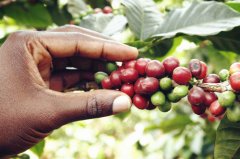
Coffee export coffee is Ethiopia's most important export cash crop and the main source of Ethiopia's foreign exchange earnings. Ethiopia's coffee exports account for about 3% of the world market, making it the eighth largest coffee exporter in the world. Coffee exports increased steadily from 58000 tons in 1990 to 110000 tons in 1995-1996 and remained at this level in the following years. two

The growing environment of Panamanian coffee
Panama Coffee growing Environment Panama is a small country located in the center of the American continent. The waters of the Atlantic and Pacific oceans flood its beaches. Panama is located at 9 degrees north latitude, the meeting point of the Central Mountains, where Mount Baru, one of the highest volcanoes in Central America, is located. The Baru volcano has an altitude of more than 11400 feet, and the land around it is rich in nutrients and fertile

The characteristics of Panamanian coffee beans the price of Panamanian coffee beans the flavor of Panamanian coffee beans
The microclimate of the Panamanian highlands is the most important resource that makes Panamanian coffee unique. The most important resource that makes Panamanian coffee unique is its microclimate. The east-west environment of the Republic of Panama allows cold air to flow through the Central Mountains and converge above 6500 feet, creating a variety of microclimates in the Boquete and Volcn Candela regions.

The characteristics of Panamanian coffee beans the price of Panamanian coffee beans the flavor of Panamanian coffee beans
The microclimate of the Panamanian highlands is the most important resource that makes Panamanian coffee unique. The most important resource that makes Panamanian coffee unique is its microclimate. The east-west environment of the Republic of Panama allows cold air to flow through the Central Mountains and converge above 6500 feet, creating a variety of microclimates in the Boquete and Volcn Candela regions.

Panama Coffee Bean
The microclimate of the Panamanian highlands is the most important resource that makes Panamanian coffee unique. The most important resource that makes Panamanian coffee unique is its microclimate. The east-west environment of the Republic of Panama allows cold air currents to flow through the central mountains and converge above 6500 feet, thus creating a variety of microclimates in the Boquete and Volcn Candela regions.

Peter Dupont 2007 BGT interview record
Peter Dupont: hereinafter referred to as Peter baristaguildoftaiwan.org: hereinafter referred to as BGT BGT:What inspired you to be a roaster in coffee industry? How did you get into this business? Peter:There were two steps in this. Firstly back in 1998 I had my first cup of Specialty Coffee

Introduction to the characteristics of the imported warm Panamanian Kasha Coffee Flavor description and Grinding Variety producing area
Panama Coffee is grown in the western part of the country, near Costa Rica and the Pacific Ocean. The Boquet district of Chiriqui province is the most famous for its coffee, and Vocan,Santa Clara is also famous. Other areas include David, Remacimeinto, Bugaba and Tole.

The Origin of selected Coffee
In an exclusive interview with Tea and Coffee in 1974, Erna Knutsen was the first to use the term Specialty Coffee to describe premium coffee beans with excellent flavor, which is different from commercial coffee (Commercial Coffee), which focuses only on marketing rather than quality. The United States was the largest consumer of coffee in the world, with almost all merchants in the market at that time.

Planting environment of coffee trees in Panama
Panama Coffee growing Environment Panama is a small country located in the center of the American continent. The waters of the Atlantic and Pacific oceans flood its beaches. Panama is located at 9 degrees north latitude, the meeting point of the Central Mountains, where Mount Baru, one of the highest volcanoes in Central America, is located. The Baru volcano has an altitude of more than 11400 feet, and the land around it is rich in nutrients and fertile

Boutique Coffee Panama Coffee Manor
The microclimate of the Panamanian highlands is the most important resource that makes Panamanian coffee unique. The most important resource that makes Panamanian coffee unique is its microclimate. The east-west environment of the Republic of Panama allows cold air to flow through the Central Mountains and converge above 6500 feet, creating a variety of microclimates in the Boquete and Volcn Candela regions.

Brief introduction to the treatment method of grinding degree and baking degree of imported warm Panamanian Kasha boutique coffee beans
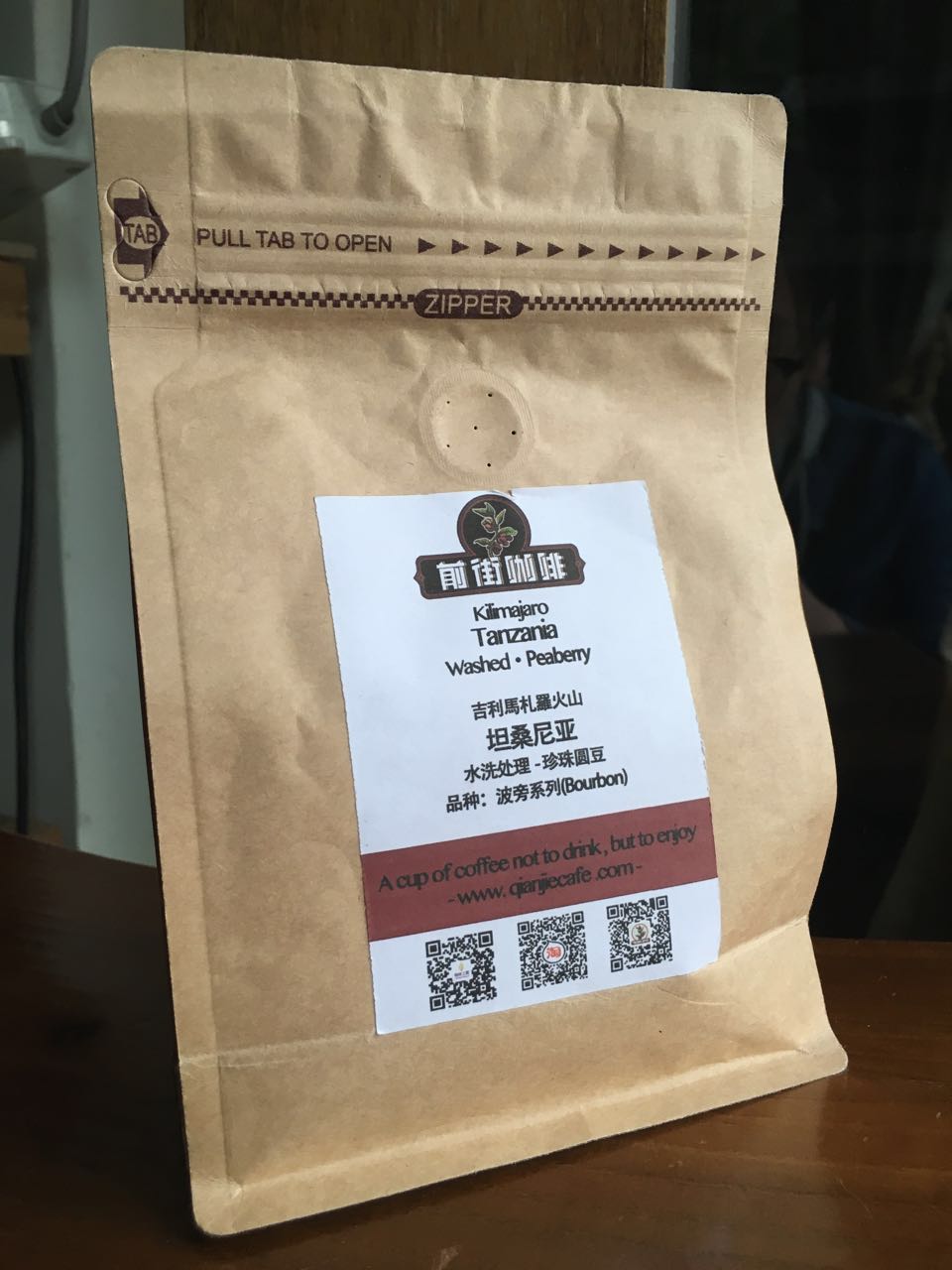
Panamanian coffee is classified and numbered into small batches, which are designed to have a small capacity for optimal management, and classification numbers allow buyers to understand and track the entire process. Because of its small quantity, Panamanian coffee products are based on special coffee. The country provides its high-quality products to specialized stores around the world, such as Denmark, Britain, Greece, Norway, Sweden and South Korea.
Panama Coffee Origins Panama Coffee Practices
The microclimate of the Panamanian highlands is the most important resource that makes Panamanian coffee unique. The most important resource that makes Panamanian coffee unique is its microclimate. The east-west environment of the Republic of Panama allows cold air currents to flow through the central mountains and converge above 6500 feet, thus creating a variety of microclimates in the Boquete and Volcn Candela regions.

Panamanian coffee treatment method for fine coffee washing
The microclimate of the Panamanian highlands is the most important resource that makes Panamanian coffee unique. The most important resource that makes Panamanian coffee unique is its microclimate. The east-west environment of the Republic of Panama allows cold air to flow through the Central Mountains and converge above 6500 feet, creating a variety of microclimates in the Boquete and Volcn Candela regions.

Boutique coffee Panamanian Coffee Manor Ireta Manor
The microclimate of the Panamanian highlands is the most important resource that makes Panamanian coffee unique. The most important resource that makes Panamanian coffee unique is its microclimate. The east-west environment of the Republic of Panama allows cold air to flow through the Central Mountains and converge above 6500 feet, creating a variety of microclimates in the Boquete and Volcn Candela regions.
Ethiopian Coffee Export Coffee Fine Coffee Kenya Yega Chuefei
Coffee export coffee is Ethiopia's most important export cash crop and the main source of Ethiopia's foreign exchange earnings. Ethiopia's coffee exports account for about 3% of the world market, making it the eighth largest coffee exporter in the world. Coffee exports increased steadily from 58000 tons in 1990 to 110000 tons in 1995-1996 and remained at this level in the following years. two

Boutique coffee Panamanian coffee origin Panamanian coffee practice
The microclimate of the Panamanian highlands is the most important resource that makes Panamanian coffee unique. The most important resource that makes Panamanian coffee unique is its microclimate. The east-west environment of the Republic of Panama allows cold air to flow through the Central Mountains and converge above 6500 feet, creating a variety of microclimates in the Boquete and Volcn Candela regions.

Panamanian coffee treatment method for fine coffee washing
The microclimate of the Panamanian highlands is the most important resource that makes Panamanian coffee unique. The most important resource that makes Panamanian coffee unique is its microclimate. The east-west environment of the Republic of Panama allows cold air to flow through the Central Mountains and converge above 6500 feet, creating a variety of microclimates in the Boquete and Volcn Candela regions.

Boutique coffee bean producing countries introduce coffee from Suriname
Suriname (Surinam) was the first country in South America to grow coffee. The Dutch who settled in Suriname in 1667 introduced coffee trees from Java in the early 18th century. The first coffee trees were given by the mayor of Amsterdam to a Flemish pirate, a Hansback. To be exact, these coffee trees were planted in the Dutch Gui at that time.

Global coffee producing area-Suriname boutique coffee beans
Suriname (Surinam) was the first country in South America to grow coffee. The Dutch who settled in Suriname in 1667 introduced coffee trees from Java in the early 18th century. The first coffee trees were given by the mayor of Amsterdam to a Flemish pirate, a Hansback. To be exact, these coffee trees were planted in the Dutch Gui at that time.
Basic knowledge of boutique coffee coffee from Suriname
Suriname (Surinam) was the first country in South America to grow coffee. The Dutch who settled in Suriname in 1667 introduced coffee trees from Java in the early 18th century. The first coffee trees were given by the mayor of Amsterdam to a Flemish pirate, a Hansback. To be exact, these coffee trees were planted in the Dutch Gui at that time.